What Is the Difference Between White and Brown Eggs?
140
0
Walk into any grocery store in Karachi and you’ll probably notice two trays sitting side by side. One full of white eggs and one full of brown eggs. Some people grab whatever is cheaper. Others believe brown eggs are naturally better. Then there are those who simply feel brown eggs taste richer but are not fully sure why.
The truth is actually very interesting. The difference between white and brown eggs goes beyond just color. It connects to the breed of the hen, the way hens are raised, the strength of the shell, and even how the egg performs in your daily cooking. Once you understand these differences, choosing the right egg for your family becomes much easier.
What Chickens Lay Brown Eggs?
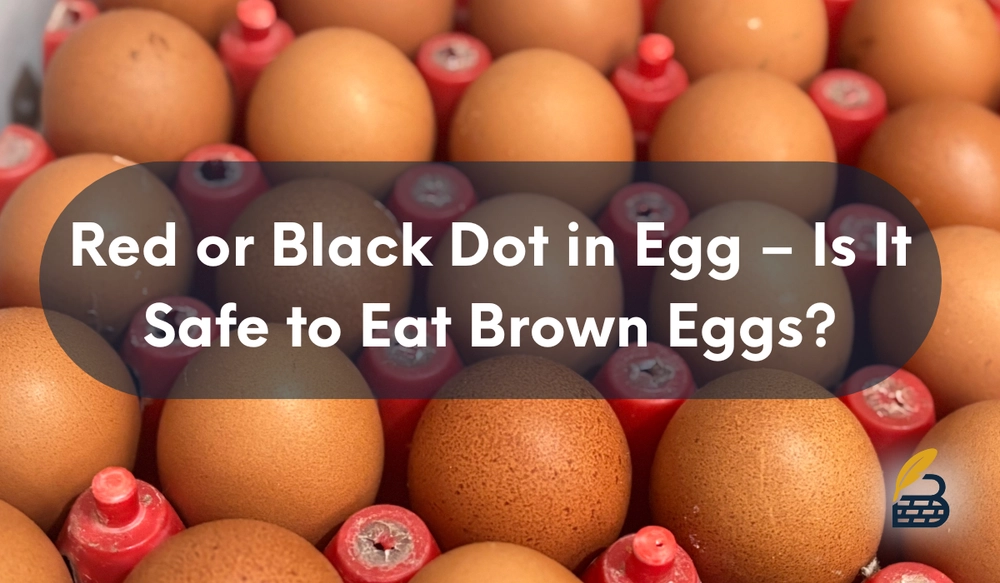
Egg color comes directly from the breed of the hen. White eggs usually come from breeds like White Leghorns. Brown eggs come from breeds such as Lohmann Brown, Rhode Island Red, and other brown feathered hens.
Brown Basket uses Lohmann Brown hens, a German breed known for producing consistent eggs with strong shells and rich yolks. The breed itself contributes to the overall egg structure and appearance.
Are Brown Eggs Better Than White Eggs?
Many families feel brown eggs are a better choice, especially when they come from responsible farms. The reason is not only the color but the farming approach behind them.
Brown eggs from Lohmann Brown hens often stand out because they have:
- stronger shells
- deeper colored yolks
- more stable cooking texture
- better consistency in size and shape
When eggs come directly from well cared hens, people usually notice a difference in freshness and performance in everyday meals.
Are Brown Eggs Healthier Than White Eggs?
Nutritionally, both eggs offer valuable protein and essential nutrients. However, brown eggs from properly raised hens often feel more wholesome because of better feed quality and farm practices.
Many households believe brown eggs support a healthier lifestyle because they are commonly associated with cleaner farming environments and more natural feeding routines.
Do Brown Eggs Have More Protein?
Protein levels between eggs are generally similar, but the quality of feed and freshness can influence how rich the egg feels overall. A fresh farm egg with a dense yolk often gives the impression of being more filling and nourishing.
Instead of focusing only on numbers, many families choose eggs based on freshness, reliability, and how well they perform in daily meals.
Do Brown Eggs Taste Different Than White Eggs?
Taste is where many people notice a difference. Fresh brown eggs often have a fuller flavor and a more satisfying texture when cooked.
Common feedback from families includes:
- omelettes feel richer
- boiled eggs hold their shape better
- baked items turn out more consistent
- yolks look deeper and more vibrant
Lohmann Brown eggs in particular are known for their stable yolk strength and creamy cooking result.
Are Brown Eggs Dyed?
No, brown eggs are completely natural. The color comes from pigments added during the egg formation process inside the hen. It is similar to how different breeds of chickens have different feather colors.
Why Lohmann Brown Eggs Stand Out
The Lohmann Brown breed is respected worldwide because it produces eggs that are consistent, strong, and reliable. When hens are raised in a clean and responsible environment, their eggs often show:
- strong outer shells
- balanced egg size
- stable yolk structure
- reliable quality across batches
This consistency makes cooking easier and reduces breakage during handling.
Why Many Pakistani Families Prefer Brown Eggs Today
Food awareness has grown rapidly in Pakistan. Families are more concerned about quality, sourcing, and freshness. Brown eggs from trusted farms align with this shift toward cleaner food choices.
Many people say they prefer brown eggs because they feel closer to natural farming and more dependable for everyday cooking.
Final Thoughts
White eggs and brown eggs both come from hens and both provide valuable nutrition. The biggest differences come from breed, farming practices, and freshness.
Brown eggs from Lohmann Brown hens are often appreciated for their stronger shells, richer yolks, and consistent cooking quality. That is why many Pakistani families now choose them as part of their daily meals.
Related Posts
More helpful reads to keep your kitchen healthier and your choices smarter.