Red or Black Dot in Brown Eggs – Is It Safe to Eat?
139
3
If you see a red spot or black dot inside a brown egg, it is usually safe to eat. These spots are natural and form when a tiny blood vessel breaks during egg formation inside the hen. It does not mean the egg is spoiled, fertilized, or unhealthy. Fresh farm eggs, especially brown eggs, may show these small natural variations more often because they go through less heavy processing.
Why Do Eggs Have Red or Black Spots?
A red spot in egg is called a blood spot. It happens when a small blood vessel breaks while the egg is forming.
A black or brown dot is often called a meat spot, which is a tiny piece of tissue formed during the same process.
Both are natural and can appear in white or brown eggs.
Are Eggs With Blood Spots Safe to Eat?
Yes, eggs with blood spots are usually safe to eat if the egg smells fresh and looks normal.
Large commercial farms remove such eggs during inspection, but farm fresh eggs may still contain them because they are less processed.
Many people notice this more when they switch to brown eggs or fresh eggs.
Do Brown Eggs Have More Spots Than White Eggs?
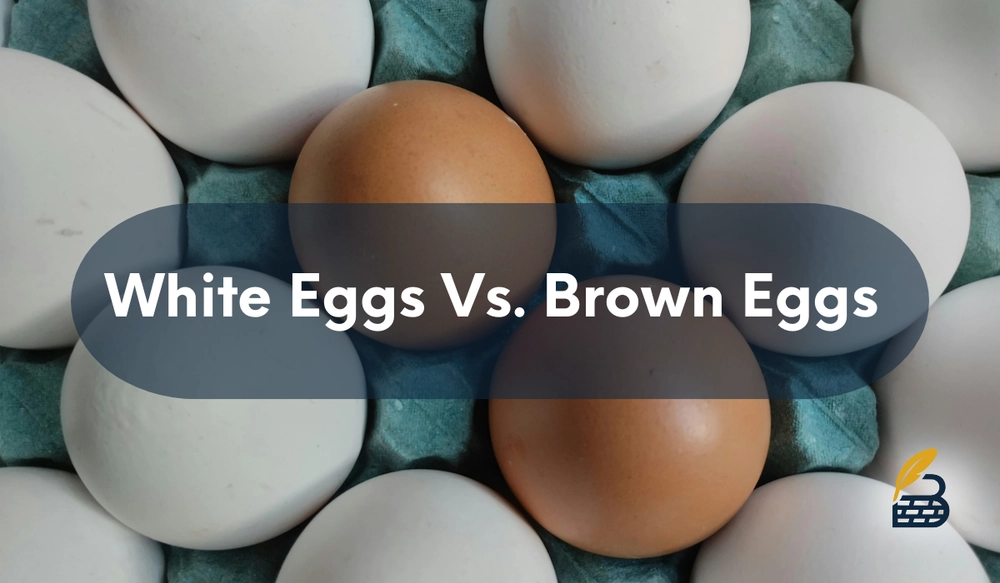
Brown eggs do not always have more spots, but they may show natural differences more often.
White eggs from big factories are heavily sorted, while farm eggs can look more natural.
Because of this, people sometimes see:
- darker yolks
- thicker shells
- stronger egg texture
- small red or black spots
These differences are normal.
Does a Red Spot Mean the Egg Is Fertilized?
No. A red dot inside an egg does not mean it is fertilized.
Blood spots happen because of a small break in a blood vessel, not because of a rooster.
Eggs sold for eating are almost always unfertilized.
Why Fresh Brown Eggs Sometimes Look Different
Eggs from healthy hens are not always perfectly identical.
Brown eggs from breeds like Lohmann Brown are known for strong shells, rich yolks, and firm texture.
When eggs come from well cared hens, you may notice:
- stronger shell
- richer yolk color
- thicker egg white
- natural variations inside the egg
These are signs of freshness, not a defect.
When You Should Not Eat the Egg
Do not eat the egg if you notice:
- bad smell
- green or unusual color
- very watery texture
- rotten odor
A small red or black spot alone does not mean the egg is bad.
Final Thoughts
A red or black dot in a brown egg is usually harmless and natural. It happens during egg formation and does not mean the egg is spoiled or fertilized. Fresh brown eggs, especially from well raised hens, may show more natural variation, which many people actually prefer because it feels closer to real farm food.
Related Posts
More helpful reads to keep your kitchen healthier and your choices smarter.